 winning power
High-Efficiency Generator Sets: Advanced Technology for Power Generation
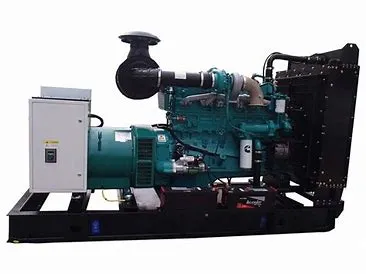
In today's world, the demand for reliable and cost-effective power generation is paramount, whether it's for critical backup systems, continuous industrial operations, or providing electricity in remote locations. Generator sets, or gensets, are the workhorses of this demand, offering a degree of energy independence that the grid cannot always guarantee. However, the conversation has shifted significantly in recent years. It's no longer just about generating power; it's about doing so *efficiently*. This focus on high-efficiency generator sets isn't merely a trend; it's a necessity driven by economic pressures, environmental concerns, and the sheer sophistication of modern power needs. Achieving this crucial efficiency relies heavily on the integration of genuinely advanced technology throughout the entire system, from the engine's combustion process right down to the digital control interfaces. Frankly speaking, a generator set that isn't designed with efficiency at its core is likely costing operators more in fuel and maintenance over its lifecycle, reducing its overall value proposition considerably. Understanding the interplay between high efficiency and the advanced technologies that enable it is key to making informed decisions in the realm of power generation, impacting everything from operational costs to sustainability goals. This deep dive will explore what makes a generator set truly high-efficiency and how cutting-edge technology delivers on this promise, shaping the future of reliable power supply.
Defining High Efficiency in Generator Sets
When we talk about "high-efficiency" in the context of generator sets, what exactly does that mean? It goes beyond simply stating that a genset produces electricity. At its heart, efficiency in a generator set is about maximizing the useful energy output relative to the energy input, primarily fuel consumption. A highly efficient generator set converts a larger percentage of the fuel's chemical energy into electrical energy, minimizing wasted heat, noise, and emissions. This translates directly into lower operating costs per kilowatt-hour generated, which, to be honest, is a primary concern for most operators, especially in applications where gensets run for extended periods. Factors contributing to high efficiency include optimized engine performance across various loads, sophisticated control systems that match power output precisely to demand, and components designed to reduce mechanical and electrical losses. Think of it this way: a less efficient genset might consume significantly more fuel to produce the same amount of power as a high-efficiency model, leading to substantially higher fuel bills over time. Interestingly enough, even marginal improvements in efficiency, scaled over thousands of operating hours, can result in dramatic savings. Furthermore, high efficiency often correlates with reduced wear and tear on components, potentially leading to longer maintenance intervals and extended operational life. It's a multifaceted concept that impacts economic viability, environmental footprint, and overall system reliability, making it a central consideration in the design and selection of modern power generation equipment. Achieving true high efficiency requires looking at the genset as a holistic system, not just a collection of individual components.
The Economic and Environmental Imperative for Efficient Power
The drive towards high-efficiency generator sets is fueled by powerful economic and environmental forces. From an economic standpoint, fuel costs are typically the single largest expense associated with operating a genset. Reducing fuel consumption directly lowers operational expenditure, improving the bottom line for businesses, institutions, and even homeowners relying on backup power. For prime power applications, where gensets run continuously, even a slight percentage increase in efficiency can lead to savings of thousands or even millions of dollars over the unit's lifespan, depending on its size and usage. This economic advantage makes high-efficiency units a more attractive investment despite potentially higher upfront costs, as the total cost of ownership is significantly reduced. Environmentally, highly efficient generator sets produce fewer emissions per unit of energy generated. This includes greenhouse gases like carbon dioxide, as well as pollutants like nitrogen oxides (NOx), particulate matter (PM), and carbon monoxide (CO). With increasingly stringent environmental regulations worldwide, lower emissions are not just a benefit but often a legal requirement. Furthermore, reduced fuel consumption means less reliance on finite fossil fuel resources. Have you ever wondered about the cumulative environmental impact of less efficient power generation globally? It's substantial. By minimizing waste, high-efficiency gensets contribute to a more sustainable energy landscape, aligning with global efforts to combat climate change and improve air quality. The intersection of economic savings and environmental responsibility makes the pursuit of high efficiency not just desirable, but essential for responsible power generation today.
Advanced Engine Technology: The Heart of Efficiency
At the core of any high-efficiency generator set is its engine, and this is where a significant amount of advanced technology is concentrated. Modern, efficient genset engines bear little resemblance to their predecessors. They incorporate sophisticated designs aimed at optimizing the combustion process for maximum energy extraction from the fuel while minimizing waste and emissions. Key technological advancements include high-pressure common rail fuel injection systems, which precisely control the timing and amount of fuel injected into each cylinder, ensuring more complete combustion. Turbocharging and intercooling are also critical, forcing more air into the cylinders to allow for more fuel to be burned efficiently and powerfully. Many advanced engines feature variable valve timing or electronic controls that adjust engine parameters in real-time based on load conditions, ensuring optimal performance whether the genset is running at full capacity or idling at a fraction of its load. I've seen firsthand how these technologies dramatically improve fuel consumption compared to older, mechanically governed engines. Materials science also plays a role, with lighter, stronger components reducing parasitic losses and improving thermal management. Some cutting-edge designs even incorporate exhaust gas recirculation (EGR) or selective catalytic reduction (SCR) systems not just for emissions control, but as part of an integrated approach to improve overall engine thermal efficiency. These aren't just add-ons; they are integral parts of an intelligently designed power plant optimized for efficiency across its entire operating range. The continuous innovation in engine technology is arguably the single biggest driver behind the improved efficiency of modern generator sets, delivering more power with less fuel and fewer emissions.
Intelligent Control Systems: Optimizing Performance in Real-Time
While a state-of-the-art engine provides the fundamental efficiency potential, it's the advanced control systems that unlock and maintain that potential in real-world operating conditions. Modern generator sets are managed by sophisticated electronic control units (ECUs) that act as the brain of the system. These controllers monitor a vast array of parameters in real-time – engine speed, load demand, fuel pressure, oil temperature, exhaust temperature, and much more. Using complex algorithms, they make instantaneous adjustments to engine operation, fuel injection, cooling, and exhaust systems to ensure the genset runs at peak efficiency for the given load. For example, if the load suddenly drops, the control system can instantly adjust engine parameters to avoid unnecessary fuel consumption and emissions that would occur with a fixed-speed or less responsive system. Conversely, during load spikes, the controller ensures the engine responds quickly and efficiently to meet the increased demand without bogging down. Many experts agree that these intelligent control systems are as crucial to high efficiency as the engine itself. They minimize transient losses, optimize steady-state performance, and can even predictively adjust operation based on programmed schedules or external signals. Furthermore, these controllers often include advanced diagnostics and predictive maintenance capabilities, identifying potential issues before they lead to failures, minimizing downtime and ensuring the genset operates reliably and efficiently over its service life. Frankly speaking, without sophisticated electronic controls, even the most advanced engine couldn't consistently deliver high efficiency under varying real-world conditions. They provide the precision and responsiveness necessary for optimal power generation.
Integration of Renewable Energy: Hybrid and Microgrid Solutions
The concept of high-efficiency generator sets is increasingly being viewed within the broader context of integrated power solutions, particularly hybrid systems and microgrids that incorporate renewable energy sources like solar or wind. In these setups, the generator set plays a crucial role, but its operation is optimized to complement the variable output of renewables. Advanced control systems manage the interaction between the genset, renewable sources, battery storage, and the load. The goal is to minimize genset run time and fuel consumption by prioritizing power from renewables and batteries when available. When the genset is needed, such as during periods of low solar/wind output or high demand, the controller ensures it operates as efficiently as possible, often running at higher, more efficient loads rather than inefficient low loads. For example, the system might use battery storage to smooth out load variations, allowing the genset to run for shorter durations at optimal power levels rather than fluctuating inefficiently. This requires advanced synchronization capabilities and intelligent load management. I've found that deploying high-efficiency gensets in hybrid configurations dramatically reduces fuel usage and emissions compared to relying solely on generators, while still providing the essential reliability that renewables alone cannot always guarantee. It represents a significant advancement in power generation strategy, moving towards more resilient, sustainable, and economically favorable models. These integrated solutions leverage the strengths of different power sources, with the high-efficiency genset serving as the reliable backbone, operating strategically to fill gaps and ensure continuous, cost-effective power delivery. It's a compelling direction for the future of distributed power generation.
Applications Benefiting from High-Efficiency Generator Sets
The benefits of high-efficiency generator sets are realized across a wide spectrum of applications, from emergency backup power for critical infrastructure to prime power in remote locations or temporary power for events and construction sites. In hospitals, data centers, and telecommunications facilities, reliable backup power is non-negotiable. High-efficiency gensets ensure that this critical power is available instantly when needed, but also operate economically and cleanly during required testing or infrequent usage. For industries like mining, agriculture, or oil and gas operating off-grid, gensets are often the primary power source. Here, fuel efficiency directly impacts operational costs and logistics, making high-efficiency models highly advantageous. Reducing fuel deliveries to remote sites, for instance, offers significant logistical savings and reduces environmental risks. Construction sites and events often require temporary power, and using efficient gensets minimizes fuel spend over the project or event duration while also reducing noise and emissions impacts on surrounding areas. Furthermore, in the burgeoning microgrid market, particularly in developing regions or for grid resilience, high-efficiency gensets are essential components, providing stable power alongside renewables. Their ability to adapt to varying loads efficiently makes them ideal for dynamic grid support or islanded operation. Basically, any application where reliability, cost-effectiveness, and environmental responsibility are priorities stands to benefit significantly from the deployment of high-efficiency generator sets. Why settle for outdated, fuel-hungry technology when advanced solutions can provide cleaner, cheaper, and more dependable power? It's a question that more and more power users are asking, driving the adoption of these advanced systems.
Ensuring Reliability Alongside Efficiency
It's crucial to understand that the pursuit of high efficiency in modern generator sets does not come at the expense of reliability; in fact, advanced technology often enhances it. The same sophisticated electronic controls that optimize fuel injection and engine parameters for efficiency also monitor system health, detect potential faults, and manage load transitions smoothly, all contributing to more stable and reliable operation. Predictive maintenance capabilities, often integrated into the control systems, allow operators to address issues proactively before they cause a breakdown, minimizing unexpected downtime. For example, sensors can track vibration levels, oil quality, or component temperatures, alerting maintenance staff to potential problems well in advance. Furthermore, the emphasis on robust engineering and high-quality components, necessary to handle the optimized performance of high-efficiency engines, also contributes to overall system durability and reliability. Manufacturers of high-efficiency gensets invest heavily in research and development to ensure their advanced systems are not only efficient but also built to withstand demanding operating conditions. To be honest, a generator set, regardless of its efficiency, is useless if it's unreliable. The integration of advanced diagnostics, remote monitoring capabilities, and robust component design ensures that high-efficiency gensets can be trusted to provide power when and where it's needed, making them a more dependable choice in the long run. Reliability and efficiency are not opposing goals; rather, in the context of advanced generator technology, they are mutually reinforcing attributes.
The Role of Maintenance and Support for Optimal Efficiency
Even the most advanced, high-efficiency generator set requires proper maintenance and support to ensure it continues to perform at its peak over its lifespan. Regular maintenance, carried out according to manufacturer specifications, is essential for preserving fuel efficiency and reliability. This includes routine tasks like oil and filter changes, coolant checks, and inspecting key components. However, with advanced gensets, maintenance is becoming more data-driven. The sophisticated control systems mentioned earlier collect vast amounts of operational data, which can be used for condition monitoring and predictive maintenance. By analyzing this data, service providers can identify potential issues early, optimize maintenance schedules, and even remotely diagnose problems. This minimizes unnecessary site visits and downtime, ensuring the genset remains online and operating efficiently. Many manufacturers and service providers offer comprehensive support packages, including remote monitoring services, expert technical assistance, and access to genuine parts, all designed to help operators maximize the performance and longevity of their high-efficiency units. In my experience, investing in quality maintenance and support is not just about preventing breakdowns; it's about ensuring the genset consistently operates at its designed efficiency level, thereby maximizing the return on the initial investment through ongoing fuel savings. Neglecting maintenance on a high-efficiency system can quickly degrade its performance, undoing the benefits of its advanced technology. Therefore, comprehensive support is a critical factor in realizing the full potential of high-efficiency power generation solutions.
In conclusion, high-efficiency generator sets represent a significant leap forward in the realm of power generation, driven by the relentless march of advanced technology. They offer compelling advantages in terms of reduced operating costs, lower environmental impact, and often enhanced reliability compared to traditional units. From sophisticated engine designs and intelligent electronic controls to their integration into hybrid systems and their application in diverse critical power needs, the core theme of optimizing energy conversion is evident throughout. The ability to generate power reliably and economically is more important than ever, and high-efficiency gensets equipped with advanced technology are perfectly positioned to meet this challenge. They are not just power sources; they are sophisticated energy management systems designed for a future where efficiency and sustainability are non-negotiable. Our company understands the critical need for reliable, high-efficiency power solutions. We leverage advanced technology to design and deliver generator sets that meet the complex demands of modern power generation, helping our clients achieve significant savings and meet their operational and environmental goals. Have you evaluated the potential fuel savings and environmental benefits that high-efficiency gensets could bring to your specific power generation needs?
For more detailed information, please visit our official website: High-Efficiency Generator Sets